Fuel pricing in Karachi: trends, drivers, and consumer impact
Market dynamics and pricing trends
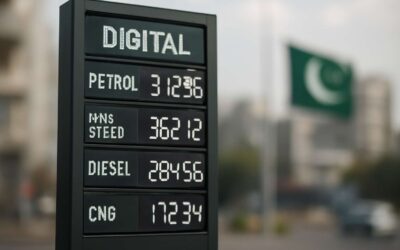
Karachi’s streets hum with more than engines; they whisper about prices. The pulse of fuel price karachi tracks more than crude alone; it mirrors policy shifts, currency ebbs, and the daily calculus of keeping wheels turning. Ah, the forecourt theatre!
Trends unfold with global markets and local policy. The price corridor tightens when oil is costly and loosens when the rupee steadies—yet subsidies and taxes nudge the final tag. For South African readers, Karachi’s story reads like a mirror of price signals in transit.
- Global crude prices and currency swings
- Taxation, subsidies, and regulatory moves
- Logistics and refinery maintenance impacting delivery
Consumers feel the ripple: daily commutes and budgeting bend with each pump update, while retailers calibrate prices to the pulse of the market.
Policy, regulation, and market structure
Fuel price karachi isn’t simply a number on a signboard; it’s a pulse reading policy breath and currency rhythm. “Prices carry the weather of policy,” a market analyst notes, and every litre becomes a small reckoning of risk and resilience for daily life.
Policy, regulation, and market structure carve the pricing map, shaping what filters through to forecourts. To readers in South Africa, Karachi’s price signals echo the way currency and policy stretch across your own refineries and road networks.
- Policy regimes that recalibrate taxes, duties, and subsidies
- Rupee value and inflation influencing landed costs
- Maintenance and outages in refineries and pipelines that shepherd supply
For everyday consumers, the ripple is tangible: commutes lengthen, budgets tighten, and even a small price shift prompts a reassessment of routes and routines. In Karachi as elsewhere, the forecourt becomes a theatre where policy and pocketbook negotiate in real time.
Economic impact on residents and businesses
Last quarter, Karachi rode a 12% price swing, a reminder that fuel price karachi tracks the weather of global markets and domestic policy in real time.
For readers in South Africa, the same threads connect—currency fragility and subsidy rules that ripple through your fuel networks.
- Global oil price shifts and currency movements
- Maintenance outages and refinery throughput
- Tax changes, duties, and subsidy adjustments
The ripple on residents and businesses is tangible: commutes lengthen, budgets tighten, and delivery schedules shift like clockwork.
Small fleets, shopkeepers, and manufacturers recalibrate routes, inventory, and pricing to stay resilient in this ever-changing cadence.
Regional comparison and future outlook
Karachi greets dawn with a price that refuses to sleep. A modest 4% swing can redraw a budget, stretch commutes, and tint streetside shops with new possibilities. I’ve watched the city adjust its rhythm, defiant yet hopeful!
fuel price karachi moves to the same tempo as global oil shifts and currency rhythms; taxes and subsidies carve margins in quiet lines. For South Africa readers, currency fragility and subsidy rules ripple through your networks, shaping decisions and dreams.
Currents shaping the drift:
- Global oil price shifts and currency movements
- Maintenance outages and refinery throughput
- Tax changes, duties, and subsidy adjustments
Regional outlook hints at an evolving calm: clearer policy signals, stronger logistics, and pricing that honors both wallets and the planet.



0 Comments