Understanding Engen fuel pricing: what affects the price
Global oil price movements and their impact on Engen
In a country where a single trip can tilt a family budget, nearly one in five rand is spent on fuel, and the fuel price at engen becomes more than numbers—it’s a weather vane for daily life and choice!
- Global crude oil price volatility driving input costs
- Currency moves that magnify or ease cost when Rand swings
- Refining margins and logistics that shape pump numbers
- Taxes, levies, and regulatory obligations that skim the surface of price
The trajectory of global oil price movements echoes through Engen stations, nudging the visible tag and the unseen margins alike. When Brent and WTI rise, I feel the ripple reach the forecourt; the fuel price at engen shifts in response—reflecting risk, not just retail math, and reminding me that energy is as much psychology as economics.
Refining costs, margins, and Engen’s pricing approach
In South Africa, a fuel pump isn’t merely a price tag; it’s a daily predictor of groceries, school runs, and chilly mornings. I watch this price move like a weather vane in my wallet, and understanding Engen fuel pricing means peering behind the sticker to see the gears turning at the refinery, on the transport lanes, and in the balance sheets. Refining costs, margins, and Engen’s pricing approach all conspire to shape the number you see—the fuel price at engen—more than a simple math problem.
Here are the levers that quietly choreograph the price you pay:
- Refining costs and throughput
- Margin discipline and competitive posture
- Taxes, levies, and regulatory obligations
Refining costs aren’t fixed; feedstock quality, downtime, and energy intensity tilt the per‑litre price. Margins are a negotiation theatre, balancing profitability with affordability while watching regional competition and demand signals. The pricing approach for Engen is a blend of pass‑through logic, currency movements, and contract‑driven adjustments. When the currency or Brent waxes and wanes, the fuel price at engen can become a barometer of risk and logistics rather than a sterile retail equation.
In this light, the forecourt becomes a weather report you can read—complex, a touch opaque, and oddly comforting in its predictability.
Distribution logistics, retail margins, and local taxes
A single litre can tilt a budget; in South Africa, the fuel price at engen isn’t just a number on a pump—it’s the weather you navigate on the daily commute and the school run. It speaks to choices and consequences, moment by moment.
Understanding what moves that price means peering into a compact, stubborn supply chain that touches roads, wallets, and policy. The levers behind the pump include:
- Distribution logistics
- Retail margins
- Local taxes and levies
Together, they sketch a portrait of Engen’s pricing that feels almost tangible—intimate, systemic, and surprising in its quiet influence on everyday life.
Seasonal patterns and promotional pricing strategies
A single litre wears a fingerprint of the season: fuel price at engen shifts with holidays, school terms, and the city’s late‑night traffic. It is less a number and more a weather—calculated, patient, and quietly moral in its pressure on budgets.
Seasonal patterns steer the pace at the pump, nudging demand and inventories in predictable ways. Holiday travel, term starts, and school holidays tilt usage, even as promotional pricing tests price points.
- Seasonal demand shifts around holidays and school terms
- Promotional pricing tied to loyalty programs and campaigns
- Inventory timing and maintenance cycles that shape supply windows
These forces reveal a humane truth behind the numbers: fuel price at engen isn’t capricious; it’s a reflection of collective rhythms—the road, the wallet, the policy we live with daily.
Current Engen fuel price trends and data interpretation
Historical price movements at Engen stations
The fuel price at engen has a knack for turning commutes into a currency-minded sprint. Current data show prices climbing on Fridays, then easing midweek, forcing drivers to read the pump like a weather chart.
Interpreting the numbers comes down to patterns you can actually follow:
- Week-to-week volatility around pump prices
- Regional variance across Engen stations
- Promotions and tax effects on pricing
Historically, Engen price moves zigzag with refinery cycles and demand pulses. This history explains the current fuel price at engen as a readable scorecard of logistics, seasonality, and pay-day quirks.
Seasonal demand cycles and price spikes
Across South Africa, Engen forecourts move to a curious tempo: prices rise on Fridays, then pull back as the week wears on. The fuel price at engen becomes a weather map for the commute, a splash of numbers that hints at refinery flows, logistics, and shopper rhythms. It’s not a mystery so much as a living score, played out in clear gallons and rand signs.
Seasonal demand cycles push price spikes around holidays and paydays, when fleets fill tanks and households balance budgets. Intermittent promotions soften the climb, while regional networks translate the same tune into local price gaps. Reading the data, one sees a cadence: frays of volatility, a midweek lull, then a gentle ascent toward Friday.
By following the pulse of the numbers rather than chasing each daily blip, stakeholders gain a steadier sense of how Engen prices move.
Interpreting price per litre across regions
Current data from Engen’s network reveals a living price map: the fuel price at engen shifts with regional supply signals, shopper rhythms, and refinery flows. Across provinces, margins tighten, and the rand echoes in the numbers, with Fridays often nudging prices higher before weekend relief.
Interpreting price per litre across regions means reading the rhythm rather than chasing each daily blip. I watch how distribution efficiency, port movements, and demand pulses sketch regional fingerprints on Engen shelves.
- Western Cape and Gauteng show the tightest inland spreads.
- KwaZulu-Natal and the Eastern Cape can display weekend shifts tied to coastal traffic.
- Promotional windows in networks shave cents off the litre, creating local gaps.
Reading the data gives a steadier forecast than gut feeling. By following regional trends, stakeholders glimpse where Engen prices align with real-world logistics, keeping the conversation grounded in fact rather than superstition about the next weekly swing.
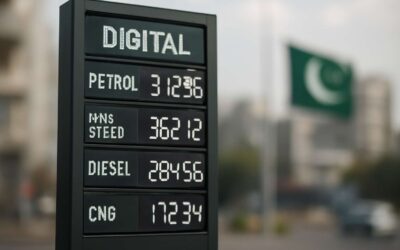
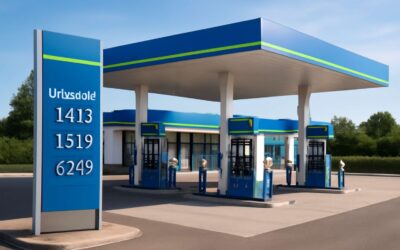
Using price boards and real-time updates to track changes
A striking stat pops from Engen’s price boards: regional moves ripple with a weekly rhythm, often a few cents per litre, with Fridays nudging the fuel price at engen toward the high side.
Price boards and real-time updates turn a network into a narrative. The fuel price at engen tracks refinery shifts, port movements, and shopper demand, sketching regional fingerprints on shelf prices.
- Live updates refresh across regions, keeping pages current and trustworthy.
- Color-coded signals reveal inland versus coastal drift and price pressure.
- Promotions and timing windows shave cents, widening or narrowing local gaps.
Reading the data yields a steadier forecast than gut feeling. By watching regional trends, readers glimpse how Engen prices align with real logistics, keeping the story grounded in fact—the fuel price at engen as a living map.
Regional and local factors influencing Engen prices
City-level pricing differences and commuter zones
Across South Africa, the fuel price at engen can swing 12 to 18 cents per litre between cities on a typical weekday. In busy commuter zones, demand spikes tighten margins and shape the local tag at the pump. The result is a city-level mosaic: the same brand, the same station, but different prices from one suburb to the next due to traffic, turnarounds, and street-level rhythms.
Within a city, local levers tug the price tag around Engen outlets:
- Traffic patterns and commuter zones driving peak demand
- Proximity to major routes and depots affecting turnover
- Weekend footfall and retail hours shifting consumption
Ultimately, the fuel price at engen mirrors place, pace, and people—local life driving the digits on the board.
Impact of road tolls, taxes, and levies
The regional pulse of South Africa shapes the fuel price at engen as sharply as a city skyline shifts by the hour. Toll roads, VAT, and local levies aren’t abstract policy—they show up on the price board and in the decisions motorists make at the pump. In leaning toward busy commuter belts, margins tighten as demand spikes, turning a litre into a local story.
- Road tolls on major corridors push per-litre costs higher during peak travel times.
- Taxes and levies, including VAT and fuel-specific charges, vary by province and municipality.
- Proximity to depots and turnover cycles at Engen outlets influence immediate pricing and stock flow.
These regional levers mean the same brand and station can wear a different price tag from suburb to suburb, reflecting traffic rhythms, road access, and local budgets. The fuel price at engen becomes a regional signal, not a fixed number.
Competition, station density, and local pricing strategies
<p Across South Africa, the fuel price at engen mirrors the city’s pulse. "Prices ride the rush hour," a station manager once told me, and the line on the board confirms it as the clock ticks toward peak! The numbers rise with the morning crush and fall after dusk, turning a litre into a local story written on the price board.
Regional and local factors sculpt Engen’s price posture.
- Competition intensity within a corridor or neighborhood
- Station density and consumer choice shaping price boards
- Local stock cycles and depot proximity that influence immediate pricing
From commuter belts to outlying nodes, the pump price becomes a reflection of accessible routes and nearby demand.
Strategies to save on Engen fuel costs
Smart fueling timing and route planning
Prices swing monthly, and every rand at the pump carries weight. Engen’s lines aren’t just numbers; they shape the stories we tell about mobility and responsibility. Tracking the fuel price at engen reveals choice, ethics, and momentum in motion.
Smart fueling timing and route planning unfold as quiet disciplines. They invite a shift from urgency to intention: reading traffic rhythms, aligning refueling with personal schedules, and letting good route coherence guide the journey. In this light, efficiency becomes less about pennies and more about preserving time, fuel, and the road’s fragile balance in South Africa.
- Fostering a patient approach to refueling windows
- Judging routes by overall energy efficiency rather than the shortest distance
- Seeing driving as a balance between personal needs and the road’s shared landscape
Loyalty programs, discounts, and promos
Across South Africa, the pump’s price can swing with the clock, turning a routine fill-up into budgeting clairvoyance. At Engen, the fuel price at engen isn’t merely a rate card; it’s a reflection of timing, aspirations, and responsibility on the road. Loyalty, promos, and patient planning become quiet levers, guiding choices while preserving momentum for work, family, and Sundays.
- Loyalty programs that accumulate savings as you refuel with regularity.
- Seasonal promos and short-term discounts that align with pay cycles and trips.
- Partner offers with nearby retailers and services, extending value beyond the pump.
Understanding how the fuel price at engen evolves over cycles helps readers see value as a relationship between cost, ethics, and motion on South Africa’s roads.
Using apps to compare Engen prices and find deals
South Africa’s pumps pulse with clockwork volatility; in a single week, the fuel price at engen can drift as markets shift.
Strategies to save emerge when you lean on apps to compare Engen prices and locate deals; the best ones offer real-time price boards, price history, and proximity-based nudges.
- Real-time price comparisons across Engen stations as you drive.
- Nearby deals and loyalty offers that surface as you near busy routes.
In this dance, timing is a quiet lever and planning becomes a compass; you feel more resourceful on the road, carrying momentum for work, family, and Sundays.
Maintenance and driving habits to lower fuel consumption
A well-tuned engine is a quiet shield against the volatility of fuel price at engen. In South Africa, small maintenance steps boost efficiency and keep you moving when forecourts shift with the markets.
- Regular preventive maintenance to keep engine efficiency high
- Economical driving: smooth acceleration and steady speeds
- Trip planning to minimize starts and stops
- Weight and drag minimization, such as removing unused roof racks
Smart driving matters: plan routes that avoid heavy traffic, maintain higher gears where appropriate, and minimise idling. These habits stretch every rand at the pump without sacrificing daily needs.


0 Comments