Understanding the Zagreb Fuel Price Landscape
Current average prices in Zagreb by fuel type
In Zagreb, the fuel price zagreb landscape shifts with the seasons, and a snapshot shows petrol hovering in the low to mid-20s HRK per litre while diesel sits a notch below. For South African readers tracking European energy trends, this volatility is a daily reminder that prices don’t stay still. Local factors—station competition, taxes, wholesale costs—shape what drivers pay at the pump.
Current averages by fuel type vary by station and time, but a rough snapshot is:
- Petrol: roughly low to mid-20s HRK per litre
- Diesel: a notch below petrol
- LPG: mid-teens HRK per unit
These figures illustrate relative costs for travellers and logistics as Zagreb sits at the heart of regional fuel networks.
These dynamics reflect a European pattern: price volatility shapes travel and budgeting. For South African readers, Zagreb’s fuel scene reveals how energy signals ripple across continents.
Diesel vs petrol: price comparison in the city
Diesel trails petrol by a small margin at Zagreb pumps—enough to tilt monthly fuel bills! The fuel price zagreb picture shifts with taxes, wholesale costs, and station competition.
Key drivers of the gap include:
- Tax structure on road fuels
- Station competition and location
- Wholesale price movements and seasonal demand
- Vehicle mix and consumption patterns
For South Africans tracking European energy trends, Zagreb’s pattern echoes a wider rhythm—prices rise and retract with demand, policy tweaks, and seasonal twists.
Temporal price patterns: daily and weekly changes
Prices in Zagreb dance to the rhythm of dawn and dusk, a living ledger that drivers feel in their wallets. Across a single day, prices can drift by a few euro cents per liter, turning a routine commute into a tiny arithmetic.
Those movements widen with wholesale costs and station competition. Mornings often see a subtle uptick as pumps reset; late afternoons bring brief reprieve when demand softens!
Within this rhythm, a few signals recur:
- Morning resets spark opening-price shifts
- Midday wholesale moves nudge prices through the day
- Evening and weekend demand twists guide the weekend finale
Weekly cycles mirror policy tweaks and stock patterns, while holidays inject seasonal volatility into the fuel price zagreb narrative.
How global oil trends influence Zagreb stations
The fuel price zagreb heartbeat is felt at the pump. A barrel’s market drift can tilt a cent or two per litre here, turning a routine commute into a quiet arithmetic. I hear the market’s whisper each morning, and feel it in the first sip of coffee as prices reset and realign— it never sleeps!
Global oil trends set Zagreb stations’ tempo. When Brent climbs, margins tighten; when European inventories shift, opening prices wobble. I trace the ripples from international markets to the little price signs on local forecourts, and the pattern becomes a living ledger.
- Brent crude price movements
- Currency shifts, especially EUR
- Regional refinery maintenance and outages
- Seasonal demand patterns across Europe
That evolving map keeps South African readers alert; the next twist may arrive with the next headline—prices moving with the wind.
Role of taxes, duties and regulations on local pricing
In Zagreb, the pump receipt is a dossier, not a price tag. I once spoke to a station manager who quipped, ‘the price tag is a map of regulations,’ and the chorus of codes behind each litre turns the daily fill into a political act.
Taxes and duties are the hidden gears behind the price.
- Excise duties set at national policy
- Value-added tax on fuels
- Local road-use and environmental levies
- Regulatory and distribution costs
South African readers will recognise the pattern: what appears as a price on the sign is a ledger of policy, infrastructure, and logistics—fuel price zagreb.
Key Drivers Behind Zagreb Fuel Costs
Tax structure and excise duties in Croatia
Zagreb fuel costs are shaped by policy as much as by crude. In Croatia, 25% VAT on fuels and excise duties add a sizeable share to the price at the pump. A single litre can carry multiple layers—from the base commodity to logistics and retailer margins. For readers in South Africa tracking international fuel price zagreb trends, Zagreb shows how policy nudges final numbers on the pump and in budgets.
- Excise duties set by the Croatian government and updated periodically
- Value-added tax (VAT) on fuels (25% standard rate)
- Wholesale and retail margins in the fuel chain
- Environmental levies and compliance costs
- Exchange rate and import costs for crude and refined fuels
For SA-based businesses and motorists, understanding these drivers helps anticipate shifts in the Zagreb market.
Import costs, exchange rates and currency effects
In Zagreb, the journey to the pump unfolds as a map of unseen currents—import costs, policy shifts, and currency tremors. The fuel price zagreb reads these forces like a siren, binding distant crude to local wallets with a taut arithmetic of margins.
When a barrel lands at Croatian refineries, exchange rate swings and currency effects ripple through the distributor’s ledger, tweaking wholesale quotes before a litre touches the nozzle. For South African readers, this mirrors global price dramas where far-off markets rewrite a familiar street corner.
Key drivers behind Zagreb fuel costs include:
- Import costs and logistics
- Exchange rate and currency effects
- Distribution, storage, and refinery margins
- Environmental and compliance costs
Seasonal demand and tourism impact on pricing
Zagreb’s fuel price zagreb follows the calendar, a seasonal tide that marks forecourts as surely as summer heat marks the streets. Seasonal demand and tourism tug at pricing, turning quiet mornings into a small economic opera. When July crowds roll in and city travel swells, wholesalers and retailers recalibrate margins with a wry shrug—and the pump price follows suit.
- Summer tourist traffic increases volumes, nudging wholesale quotes upward.
- Conference seasons and big-city events bring more fleets, taxis, and rental cars to the pumps.
- Seasonal maintenance and holiday travel patterns alter demand, shaping price expectations.
For South African readers, the rhythm is familiar: demand swells, supply tightens, and margins tilt with the crowd. Observing Zagreb’s seasonal swing offers a telling microcosm of how markets respond when the calendar and the road align.
Supply chain dynamics among Zagreb distributors
Fuel price zagreb doesn’t drift on a city breeze; it pirouettes to the rhythm of the supply line. A 2–3% weekly swing has become the quiet tempo on forecourts—a rate that tracks warehouse space, batch sizes, and delivery slots rather than the weather. Distributors balance storage costs with retail contracts, and every shift in fleet utilization nudges the per-liter mark. This is the fuel price zagreb.
Key supply-chain levers in Zagreb include:
- Wholesale inventory cycles and lead times
- Port and inland transport availability
- Contracted margins and replenishment triggers
From docks to diesel pumps, the chain has a voice—ignition in the morning and a sigh at night. For South African readers, the Zagreb pattern is a familiar microcosm: logistics, storage, and transport costs write the price narrative. The fuel price zagreb is thus a ledger of supply chain quirks rather than a single crude-driven sum.
Regulatory shifts and price-forecast indicators
Two percent weekly swings aren’t a rumor—they’re the pulse behind fuel price zagreb! Regulatory shifts in Croatia and the EU quietly redraw margins, nudging retailers with new taxes, labeling rules, and greener mandates. It’s not the weather that moves the gauge; it’s policy, risk, and the stubborn arithmetic of compliance. In this city, the price narrative is a ledger of rules more than a single barrel.
- Regulatory shifts in Croatia and EU policy that alter taxes, compliance costs, and blending rules.
- Price-forecast indicators from agencies and futures curves that map near-term direction.
- Operational calendars—refinery maintenance, port throughput, and inventory cycles that shape supply slack.
The human consequences emerge in quiet moments: a litre added to a weekly grocery bill, a driver deciding what to fill at dawn. I watch the pumps, listening to the whispers of policy; fuel price zagreb becomes a mirror for risk and market psychology, a reminder that numbers carry human longing.
Where to Find the Lowest Fuel Prices in Zagreb
Reading official price boards at major stations
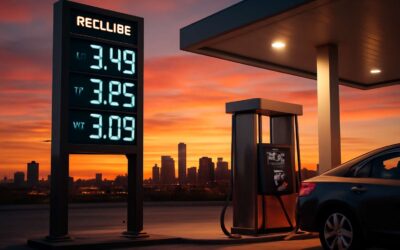
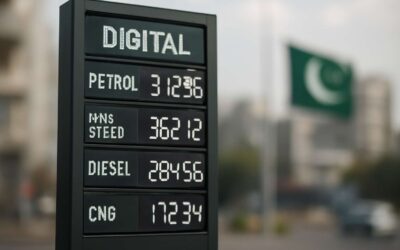
Glimmering price boards glare like runes over Zagreb’s forecourts, and the hiss of pumps hums with a quiet, nocturnal fate. The lowest fuel prices cling to the city’s busiest stations, revealed only by reading the official boards with a patient eye. For fuel price zagreb, the hunt favors stations along the main arteries where fierce competition bleeds into more affordable litres.
- Official price boards display current price per litre for petrol and diesel.
- Updates appear at major Zagreb stations, reflecting market shifts.
Beyond the numerals, the city breathes; a handful of boards near transit hubs and along the ring road carry the same weathered truth—the cheapest route reveals itself to the patient observer. Readings shift with the hour, and what you glimpse today may drift tomorrow, especially when converted to rand.
Real-time price apps and online tools
In Zagreb, fuel price zagreb behaves like a living map — prices shift hourly and the cheapest litre can drift between stations with the traffic. For South African travellers charting a Croatian road trip, that rhythm becomes a hand rail, a way to forecast the next fuel stop with confidence.
Real-time price apps and online tools cut through noise, turning glances at a pump into data you can trust. I rely on local aggregators and live map overlays to spot the lowest litres near the main arteries. To help navigate, consider these tools:
- Real-time fuel price apps
- Online Croatian station price portals
- Maps with live price overlays
Prices emerge as a dance of digits and streets, a secret map that rewards patient observation.
Loyalty programs, discounts and cashback options
Zagreb’s pumps breathe with the city’s nocturnal pulse—prices drift, rise, and slip away like shadows at dawn. I’ve learned that for South African travellers, tracking the lowest fuel price zagreb becomes a quiet ritual: loyalty programs glow as lanterns, and local discounts pop up along the main arteries.
- INA Extra Card offers member discounts on fuel buys and car services
- Petrol loyalty programs and app-based promos that stack with station deals
- Banks and card cashback schemes that cross-promote with Croatian networks
Keep the receipts, map the routes, and let patience reward the traveler with smarter fills.
Neighborhood comparisons: district-by-district tips
Fuel price shifts in Zagreb move like a late-night tram—unpredictable yet navigable if you read the signs. In central districts, pumps often run with brisk queues and brisker promos, while suburban veins hide steadier prices that don’t pretend to be flashy. The subtle craft is spotting quiet price differentials without complicating the commute.
Here are district snapshots to illustrate the spread:
- Donji Grad and the historic core often offer reliable promos after business hours
- Novi Zagreb pockets tend to host competitive rates on Sundays
- Trešnjevka and nearby quarters can surprise with budget-friendly options near transit hubs
For South African travellers, the hunt is a social theatre as much as a financial one. Fuel price zagreb reveals itself in the quiet corners where locals time their fills and skip the hype, rewarding those who map the routes with patience and nuance.
Practical Money-Saving Tips for Drivers in Zagreb
Trip planning and route optimization for fuel efficiency
A telling stat floats around Zagreb: nearly 60% of local drivers adjust their routes to hedge against fuel price zagreb fluctuations. I confess, that little ritual is as stylish as a bespoke suit—planning ahead, avoiding needless miles, and arriving with a quiet sense of superiority. For South African readers, Zagreb’s street choreography feels peculiarly familiar—one detour can burn a tank, and trip planning becomes a graceful balance of economy and courtesy to the road.
Trip planning and route optimization for fuel efficiency hinge on timing, traffic mood, and terrain. To the observant motorist, Zagreb offers a chorus of signals: rush-hour jitter, hill climbs, and the mercy of well-timed green lights. Consider these factors:
- Traffic patterns and peak hours
- Elevation changes and road grade
- Idle avoidance and smooth acceleration
Fuel price zagreb remains a quiet conductor, nudging choices without shouting, turning a routine drive into a balanced performance.
Fuel grades, octane, and vehicle compatibility
The fuel price zagreb fluctuations gnaw at the edge of every wallet, yet the engine’s appetite is a kinder master when you honor its octane needs. In Zagreb’s urban labyrinth, the gain from matching grade to engine is real: save fuel, reduce emissions, and spare the drive from unwanted detours to the shop. A tartly practical rule: know what your car inhales—then let efficiency steer your choice.
Consider these checks:
- Check your owner’s manual to confirm the required octane for your engine.
- For typical Zagreb city driving, 95 octane (or the standard unleaded your manufacturer advises) is usually enough; reserve premium only if specified.
- Fuel consistency matters—use the same grade across trips to avoid unexpected engine behavior.
Smart refueling remains a quiet ally against fluctuating prices, letting you plan the road you want.
Alternative fuels and green options available locally
In Zagreb’s morning hum, the fuel price zagreb gnaws at wallets, yet a greener palate can stretch every rand—and for South African readers used to price volatility, Zagreb’s lighter options offer parallel relief.
Alternative fuels and green options are increasingly visible on Zagreb’s streets. LPG autogas stations dot corridors of the city, the electric grid hums with new fast chargers along ring roads, and biodiesel blends creep into standard diesel pumps.
- LPG Autogas and mixed-fuel stations that pair affordability with reliability
- Electric vehicle charging networks offering rapid top-ups during urban drives
- Biofuels and E10 blends at major outlets, subsidizing cleaner miles
These choices weave a softer rhythm into everyday journeys, letting the engine purr on a gentler cadence while emissions fall and budgets stay balanced.
Maintenance habits that save fuel (tyres, engine, tire pressure)
A well-tuned engine is the quietest response to Zagreb’s morning hum. Tiny maintenance acts add up: a 3 PSI shift in tire pressure can shave a percent or two from your fuel economy.
Keep these habits simple and steady.
- Check tyre pressure monthly and before long trips.
- Ensure wheel alignment and rotate tires on schedule.
- Use the correct engine oil and replace air filters.
- Avoid excessive idling and plan routes to reduce stop-and-go.
Consistency pays at the pump and on the road, softening the sting of fluctuating prices. In Zagreb, mindful maintenance is not merely prudent; it’s a way to navigate fuel price zagreb with grace.
Future Outlook: Zagreb Fuel Prices in the Coming Months
Europe-wide energy policy and its local impact
Last year, EU fuel margins moved in double digits, and Zagreb sits at the crossroads of policy and pumps. A bold forecast for Europe: prices at the pump will wobble but trend toward stability as green policies tighten the screws on energy markets. Zagreb, with its busy corridors and fuel price zagreb, stands to feel the shifts in taxation, refinery margins, and cross-border shipments more keenly than most. For South Africa readers, this trend looks like a live case study in how policy moves ripple to the local fuel tank.
- EU energy policy alignment with pricing signals
- Croatia’s tax stance and border logistics
- Incentives for biofuels and electric fleets
Across Zagreb’s service stations, commuters and fleets will notice how exchange rates and seasonal demand intersect with policy to shape daily averages. In coming months, watch for steadier price boards, bigger seasonal swings around oil holidays, and the odd surprise in discounts and cashback tied to loyalty programs. The fuel price zagreb metric will remain a handy barometer for regional traders navigating cross-border supply chains and currency jitters.
Geopolitical events and price volatility in Croatia
Last year, EU fuel margins moved in double digits, and Zagreb’s forecourts nodded along like a chorus line. The fuel price zagreb is a live weather vane for policy and pumps, blinking brighter whenever cross-border shipments and taxation shift.
Geopolitical events and price volatility in Croatia will keep boards fluctuating: sanctions ripples, refinery outages, and seasonal demand all weave into daily averages. The trend isn’t a mystery, it’s a map of how policy trickles to the nozzle.
- Global supply constraints and market sentiment
- Croatia’s fiscal posture and border logistics
- Seasonal travel spikes and festival traffic
In the coming months, expect quieter days with the odd thunderclap around holidays, keeping the Zagreb landscape livelier than a coffee shop at 6 a.m. For South Africans watching global oil politics, the fuel price zagreb will stay a handy yardstick for currency vibes and policy cues affecting cross-border flow.
Technology, digitization, and price transparency trends
Future is a map drawn in gasoline and data. In Zagreb, the coming months will lean into digitization as stations publish prices in near real-time and authorities publish clearer forecasts. The phrase fuel price zagreb surfaces as a pulse—steady, then sudden on holidays or refinery hiccups. Expect smarter digitization: transparent dashboards, cross-border price signals, and adaptive pricing nudging drivers toward efficiency rather than impulse.
A couple of trends to watch:
- AI-driven price forecasting
- Mobile wallet and contactless pump technology
These shifts invite a more stable budgeting narrative for South Africans eyeing Croatia’s forecourts, where policy cues mix with consumer choices and vehicles travel further on smarter pricing.
What consumers can expect: a 12-month projection
In Zagreb, the price map is shifting from rumor to real-time reality. The term fuel price zagreb is beginning to feel like a forecast you can plan around rather than a mystery that shifts with the sun. As one station operator puts it, “data speaks louder than the pump.” Stations are rolling out near real-time updates, and authorities aim for clearer forecasts that guide daily choices.
Over the next 12 months, expect a steadier rhythm with occasional spikes during holidays or refinery hiccups. Prices will drift in small increments as data feeds sharpen forecasting accuracy, while dashboards and cross-border signals help drivers time refuels and budgets with more confidence.
For South Africans charting a journey to Croatia, these changes translate into easier budgeting and transparent planning, where smarter pricing nudges fuel purchases toward efficiency rather than impulse.

0 Comments