Understanding Morocco fuel price dynamics
Local petroleum market structure and price formation
In the labyrinth of Morocco’s fuel market, a barrel’s whisper can echo in wallets across continents. A recent snapshot shows prices dancing with double-digit swings over the past year, driven by global crude tides and local policy shifts. For South African readers, the fuel price morocco tale reveals how North African dynamics ripple into regional costs and shape the conversations we have about energy security and reliability.
Understanding the local petroleum market structure and price formation means tracing the path from refinery to retail. The dynamics hinge on several moving parts:
- Imported crude benchmarks and parity pricing
- Refining capacity and margins
- Distribution networks and terminal charges
- Taxes, subsidies, and regulatory levies
- Currency swings and freight costs
Together, these forces compose a living price equation rather than a fixed figure.
Government pricing policies and subsidies
The fuel price morocco landscape is a study in how global oil tides meet local choices. Across the past year, parity shifts and policy tweaks have nudged retail prices, reminding readers that every barrel traded in the world can ripple into South African wallets too. For South African readers, the North African map reveals how regional dynamics shape costs and the conversation on energy resilience.
Government pricing policies and subsidies are the skeleton of the system. Morocco uses a blend of automatic revisions tied to international benchmarks, targeted subsidies for essential fuels, and taxes that fund roads and social programs. That policy mix also nudges the fuel price morocco faced by regional consumers; the balance between relief and revenue matters for households and businesses alike.
Key levers include:
- Periodic price updates tied to benchmarks
- Targeted subsidies for essential fuels
- Taxes and regulatory levies funding infrastructure
Tax components and their impact on pump price
The fuel price morocco dances to a global tide and a national chorus. A barrel’s journey from sea to pump is a map—numbers weaving, futures flirting with road signs, and local choices shaping the price seen at the station.
Tax components act as invisible maestros, guiding the pump price with a steady, quiet rhythm.
- Value-added tax (VAT) on fuels, shaping the base price
- Excise duties that attach to each litre, reflecting policy aims
- Road funds and environmental levies allocated to infrastructure
In this melody, periodic revisions and subsidies tune the overall tone, but the taxes keep a constant heartbeat behind the scenes, influencing the fuel price morocco and offering South African readers a lens to compare regional price signals.
Historical trends and recent shifts
Understanding the Morocco fuel price dynamics means watching global crude moves and local logistics converge on the pump. When international benchmarks shift, Morocco tends to echo those changes, sometimes with a short lag. This rhythm offers South African readers a clear lens to compare regional price signals as currencies and freight costs tilt the final number at the pump—the fuel price morocco tells the same story.
Key forces shaping the curve include:
- Global crude price volatility and benchmark swings
- Exchange rate moves that affect import costs
- Seasonal demand and refinery maintenance cycles
- Logistics costs from port to pump
Recent shifts reveal how global disruption and local logistics interact, producing the modern price path you see on the street and at the station.
Forecasts and volatility indicators
A 1% swing in Brent can ripple to the Moroccan pump within days, a reminder that energy markets are shared currents. Understanding forecast and volatility indicators gives South African readers a clear map of the price signals that travel from sea to station, sometimes with a stubborn lag. The story is not a mystery; it is a rhythm you can hear in the street and in the numbers!
Forecasts rely on a few steady barometers, and they shift the outlook as quickly as headlines do. Consider these volatility indicators:
- Brent crude price and the futures curve
- USD/MAD exchange rate and import costs
- Seasonal demand patterns and refinery maintenance
- Port congestion and inland freight costs
In practice, traders and households observe how global moves collide with Moroccan logistics. I watch the market’s breath, and it tells tales of supply chains more vivid than headlines. The fuel price morocco becomes a reflection of timing, currency swings, and the routes that carry barrels from sea to station.
In that tension lies the reason forecasts matter: they translate distant markets into numbers we can almost feel at the pump.
Key factors shaping fuel prices in Morocco
Global crude oil prices and exchange rates
Across the sands and markets, fuel feels like a lifeline! For readers in South Africa, the rhythm of price swings feels familiar—and I’ve watched that rhythm in village mornings too. A double-digit swing in global crude prices last year sent Morocco’s pump prices dancing, reminding us that distant markets still cradle our daily routines.
Two forces shape the fuel price morocco: crude oil prices and exchange rates. When Brent climbs, Morocco’s import bill swells and every liter carries more cost. At the same time, a weaker dirham makes those dollars pricier, nudging prices upward at the pump.
- Global crude oil prices and their impact on Morocco’s import bill and pump price
- Exchange rate movements, especially dirham to dollar, transmitting world costs into local prices
These forces thread through daily choices— from trips to the market to repairs at the workshop— reminding us that global stories are told in local hours.
Domestic refinery capacity and imports
Across the North African horizon, the tale of fuel price morocco is written in refinery gauges and harbor schedules. Domestic refinery capacity and imports are the twin engines shaping it: when production lines hum at capacity and ships arrive on time, the cost drifts lower; when maintenance tightens throughput or cargoes stumble, prices rise.
Three levers quietly steer the numbers:
- Refinery throughput and maintenance schedules that tighten or loosen supply.
- Import dependence, vessel costs, and freight disruptions that sweep costs into the pump.
- Storage, pipeline logistics, and regional distribution that smooth or scatter price changes at the local stations.
In the broader saga, global markets meet local corridors, a mirror for South African readers watching import flows and currency shifts—the thread of price dynamics keeps readers, drivers, and workshop crews aligned with the next turn of the price wheel.
Supply chain disruptions and logistic costs
Across the North African horizon, a ship’s delay can tilt the forecourt’s mood. For South African readers tracking North Africa’s supply lanes, disruptions and logistic costs are the weather behind the numbers. In Morocco, even a brief port hold or snag in inland transit can nudge the fuel price morocco, as commodities negotiate routes, currencies, and customs.
- Port congestion and vessel turnaround times shape delivery certainty and freight rates.
- Inland transport bottlenecks—trucking and rail—stretch windows and increase costs.
- Storage capacity and inventory management absorb or magnify shocks as supplies move through warehouses and depots.
In the Moroccan saga, small shifts in global freight costs or regional weather land on the ground as price changes; the movement travels through fuel price morocco and echoes in distant markets like South Africa.
Regulatory changes and policy stability
A single regulatory tweak can move millions at the pump, and the reshaping of rules in Morocco proves it. Regulatory clarity acts as a steady compass for importers, refiners, and retailers, echoing through the logistics of the forecourt. The term fuel price morocco circles boardrooms as lawmakers weigh adjustment formulas and governance mechanisms that steer how and when prices move.
When rules are stable, risk is priced with steadier hands. Predictable pricing rules, credible commitments, and consistent enforcement encourage longer-horizon planning and dampen speculative swings. Prices at the pump tend to react to real market signals rather than sudden interventions, preserving confidence across the supply chain.
- Frequency and method of price updates
- Regulatory clarity and independent oversight
- Alignment of tariffs and duties with market signals
Market competition and retailer strategies
Market watch: the pump price morocco acts like a living thing—attuned to the whispers of competition and the glow of loyalty programs. A seasoned market watcher once said, “The price at the forecourt is a reflection of strategy, not luck.” In Morocco, this competitive pressure nudges margins and can quicken price signaling across networks. The term fuel price morocco carries boardroom weight as retailers chase volume with precision!
- Intense forecourt competition among brands and no-frills outlets drives promotions and dynamic pricing.
- Retailer strategies such as loyalty discounts, bundle offers, and volume rebates steer shopper choice and label perception on the pump.
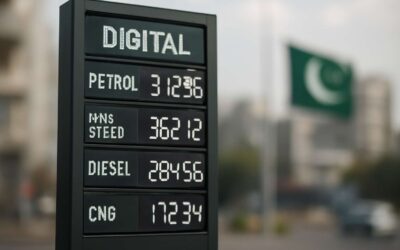
- Digital price boards and mobile promotions amplify price signals, linking labels to stock and demand in real time.
These forces create a live price theatre that South Africa readers will recognize in cross-border trade, currency flows, and supply chain negotiations—where margins, not policy tweaks alone, redraw the map.
Economic and societal impacts of fuel pricing in Morocco
Household budgeting and consumer inflation
Even now, fuel price morocco is more than a number at the pump—it’s a daily economic pulse. A recent survey shows roughly half of Moroccan households adjust monthly budgets when costs swing. ‘Energy prices shape choices,’ notes analyst Leila Khatib.
- Household budgeting tightens as transport and energy costs rise
- Consumer inflation feeds into prices for food, clothing, and essentials
- Small businesses struggle with higher logistics and operating costs
Where money meets daily life, inflation sneaks in through transport, logistics, and service charges. The ripple is felt in urban commuting and rural supply runs alike, threading inequality and opportunity in a single thread. For South Africa’s households, the Morocco story offers a mirror on how fuel price volatility shapes budgets and inflation in everyday life.
Public sentiment shifts, carpooling grows, and consumers recalibrate trade-offs—yet the narrative remains uneasy as prices move with global markets.
Transportation costs for businesses and logistics
Fuel price morocco has become a daily dial-tone in the economy, a pulse you hear at the pump and in the balance sheets. Roughly half of Moroccan households adjust monthly budgets as costs swing—an economic weather front that reshapes choices every quarter.
For businesses, transportation costs and logistics are the real bottlenecks. When fuel price morocco climbs, freight rates intensify, and delivery timelines tighten, nudging operational strategies and supplier relationships in subtle, persistent ways. That spike also squeezes margins and pushes pricing strategies across supply chains.
- Freight rates and route viability
- Last-mile delivery costs for retailers
- Inventory risk from delays or stockouts
- Public transport fares affecting worker commutes and shift coverage
In a South African context, the Morocco story mirrors how volatility amplifies inequality and fuels demand for leaner, smarter logistics—without turning off the human undercurrent that keeps commerce moving.
Tourism sector sensitivity to fuel price changes
Fuel price morocco sends ripples that reach the farthest souk and the most distant farm. A litre can steer a weekend away or a budget that barely holds. ‘A litre of fuel can decide a family’s plans for the month,’ a store owner laments, and the pump becomes a daily metronome. I hear it in the lines at the pump. The reality of fuel price morocco reshapes daily life.
Tourism, a cultural heartbeat, bears the sharpest edges of that volatility. Travel costs rise, itineraries tighten.
- Tourism flows shift with transport costs.
- Rural attractions depend on reliable freight.
- Local businesses adjust margins to weather swings.
Across society, commuters and small traders feel the strain, bending schedules and reimagining daily routines.
These rhythms echo South Africa’s own balance between mobility and margins, where volatility tests resilience and shapes everyday life.
Public transport subsidies and affordability
Across Morocco, fuel price morocco reshapes daily life. A fare hike can tighten a family budget, reroute a school run, or trim weekend plans, turning routine trips into cost calculations. Last year, even a modest rise shaved about 40 dirhams from the weekly transport budget.
Public transport subsidies cushion the sting for many riders, but as prices shift, affordability becomes a moving target. For commuters, the monthly pass may stretch or slip by a few dirhams.
- Subsidy design shapes access for low-income riders.
- Operators balance margins with fluctuating fuel costs.
- Routes in rural and peri-urban areas face reliability pressure.
- Freight and small businesses feel the knock of higher transport costs.
South Africans recognize a similar tug between keeping services affordable and covering rising inputs. The Moroccan example shows how policy and price moves ripple through households, towns, and small firms.
Social implications and affordability measures
In Morocco, the fuel price morocco ripples through kitchens and courtyards, turning errands into calculations. Last year, a modest rise shaved about 40 dirhams from the weekly transport budget, a reminder that price shifts wear on daily life with quiet force.
Economic and social currents follow the tune: for readers in South Africa, these echoes resemble concerns at home as small businesses stretch margins, households adjust shopping hours, and cities feel demand for services. The shift reshapes where people work, study, and linger, subtly changing the rhythm of towns and community life.
- Household budgeting becomes a poetry of compromise, balancing needs against rising travel costs.
- Rural and peri-urban life experiences longer travel times and altered service patterns, nudging commuters toward shared solutions.
- Local entrepreneurs reconfigure logistics and scheduling to weather price climbs.
These shifts reveal how price signals touch the social fabric, shaping daily choices with cinematic patience.
Comparing fuel price trends across Moroccan cities
Price dispersion between Casablanca, Rabat, Marrakech
Casablanca, Rabat, Marrakech—three urban clocks that set the tempo for Morocco’s fuel story. Across the country, price dispersion at the pump pulses with demand, port logistics, and policy timing, turning a simple fill-up into a tiny economic weather report—fuel price morocco.
Casablanca’s pumps are often nudged by wholesale flows and coastal logistics, while Rabat quietly anchors pricing near policy corridors. Marrakech, by contrast, feels the seasonal pulse of tourism and traveler traffic, widening the spread when holidays arrive.
- Casablanca: wholesale margins tied to port activity can tilt prices at peak times.
- Rabat: proximity to regulatory hubs lends a steadier cadence.
- Marrakech: tourist seasons amplify demand-driven swings.
Seeing these tremors in the urban map makes the larger energy mosaic feel intimate—every liter a small decision in the city’s daily rhythm.
Rural vs urban price differences
Cities in Morocco don’t sip the same petrol. When Casablanca, Rabat, and Marrakech light up their pumps, price gaps ripple through wallets and planning alike. The fuel price morocco map reveals an urban rhythm shaped by port flows, regulatory timing, and tourist tides—holiday spikes simply widen the swing.
- Urban hubs compress margins through fierce station competition.
- Rural supply chains face longer distros and more stockouts.
- Tourist seasons in Marrakech propel demand and widen swings.
- Policy tweaks can realign price ladders quickly in pockets of the country.
For South Africa’s energy circle, these urban-rural dynamics echo familiar patterns—turning a routine fill-up into a tiny snapshot of the market, where every litre marks a decision and fuel price morocco signals travel the same way.
Seasonal fluctuations and demand patterns
In Morocco, the fuel price morocco calendar swings as much as 5% between peak tourist months and quiet stretches; that punchy stat makes a refill feel less like a routine chore and more like a mini weather forecast for your wallet!
Across cities, trends diverge. Urban hubs with dense competition nudge prices along faster, while seasonal demand from travelers and festival crowds nudges the litre higher during holiday spikes.
- Seasonal demand patterns lift prices in hospitality hubs and along travel corridors.
- Port and city flows synchronize price moves in metropolitan centers.
For South African readers, Morocco’s price rhythm echoes how travel costs collide with calendars everywhere—the season shapes what you pay at the pump.
How to read fuel price dashboards in Morocco
Across Morocco, the fuel price morocco keeps its own tempo, nudging urban pockets and rural routes with subtle but telling shifts. In Casablanca, price moves can feel brisk; Rabat and Marrakech echo that rhythm during holidays, creating a shared national pulse that travelers notice first at the pump.
Reading fuel dashboards in Morocco is about spotting patterns, not chasing a single number. From my drives across towns, I notice how city-level taxes, subsidies, and wholesale price baselines tilt the numbers from station to station.
- Regional price baselines and refinery input
- Local competition and service charges
For South African readers, that cadence mirrors home: the season, the street, and the station interplay to shape what you pay. It’s a human map of logistics and choice, written in numbers.
Regional data sources and reliability
Across Morocco’s cities, fuel price morocco moves like a tide—brisker in Casablanca, softer along rural routes. When you compare price trends across Moroccan cities, the differences aren’t random—they reflect regional baselines and local competition. Holiday traffic nudges prices in Rabat and Marrakech, while towns off the beaten path hold steady. It’s a human map written in numbers, not a single value to chase.
Regional data sources and reliability vary, but a few anchors stand out.
- Government energy dashboards and price announcements
- National oil company reports and wholesale price alerts
- Independent fuel trackers and consumer watchdog portals
For South African readers, the cadence won’t surprise: the season, the street, and the station all shape the numbers you see at the pump. Recognizing where the data comes from helps separate noise from the signal in the ongoing story of fuel price morocco.
Practical guides for consumers and businesses
Tips to monitor daily fuel prices in Morocco
Morocco’s fuel markets pulse with daily shifts that can alter fleet budgets in a heartbeat. For South Africa readers eyeing North African price signals, tracking the ebb and flow of fuel price morocco offers practical insights into planning and pricing!
Practical guides for consumers and businesses hinge on reliable signals. Consider these sources to observe daily variations, with a sense of wonder but no speculation:
- Official price dashboards and government releases
- Major retail networks and their app-based pricing
- Industry reports and logistics coalitions
For businesses, nurturing a subtle alert system and flexible budgeting can help ride the tides of price fluctuations while staying compliant. Mindful budgeting and supply-chain resilience become the compass, not the cry.
As markets shimmer and shift, the phrase fuel price morocco will echo in planning rooms and dashboards across Africa, weaving practical foresight with a sense of adventure.
Ways to reduce fuel consumption and save money
Fuel price morocco keeps fleets guessing and ledgers twitching. A single price tick can redraw a fleet’s monthly budget. In North Africa and beyond, daily price signals ripple across budgets, turning predictable months into a chess match. For South Africa readers watching from afar, those shifts offer a compass for planning and pricing—gritty, not glamorous.
Practical guides for consumers and businesses lean on reliable signals rather than speculation. They point toward ways to reduce fuel consumption and save money by anticipating price trajectories, prioritizing budget discipline, and strengthening resilience in logistics.
As markets shimmer, the cadence of numbers becomes a familiar rhythm in planning rooms across Africa, weaving foresight with a dash of adventure.
How to plan for price spikes and budget effectively
Fleets shudder at a single price tick, because it redraws a month’s budget in the blink of a calculator. In Morocco, price signals ripple across ledgers and turn predictable months into a chess match; for South Africa readers peering from afar, those shifts become a stubborn compass—gritty, not glamorous—for navigating the wilds of fuel price morocco.
Practical guides for consumers and businesses lean on reliable signals rather than guesswork. They favour planning anchored in clear market signals, maintain budget discipline, and bolster resilience in logistics. In the planning room, the numbers adopt a familiar rhythm, guiding conversations about inventories, routes, and contracts without tipping into doomscrolling or melodrama.
Understanding fuel cards, loyalty programs, and subsidies
In Morocco, fuel price morocco doesn’t just ripple through ledgers; it redraws the month in a heartbeat. A seasoned logistics supervisor once told me, “The right fuel card makes volatility feel predictable, even friendly.” That mindset helps both consumers and businesses stay the course.
Understanding fuel cards, loyalty programs, and subsidies means wiring value directly into purchases. A card can centralize charge details, cap unauthorized detours, and unlock regional discounts. Consider these features:
- Unified billing across fleets
- Network-linked discounts and rebates
- Subsidy eligibility and partner programs
Loyalty programs reward steady use, while subsidies help soften pump prices during peak seasons. For readers in South Africa, the parallels—transparent terms, predictable invoicing, and broader network access—make the Morocco experience relatable. fuel price morocco
Employer and fleet management strategies to mitigate costs
Fuel price morocco can rewrite a month’s forecast in a heartbeat. A 5% swing can tilt a mid-size fleet’s monthly spend by thousands, turning calm budgets into a whiplash cliffhanger. In real terms, fuel price morocco can be this cruel; numbers bend, then settle, and you must ride with intent.
For consumers, practical guides blend clarity with discipline: set a monthly fuel budget, track spend, and choose stations with stable pricing when possible. In a world of volatility, a steady approach turns price spikes from shock to strategy.
For employers and fleets, resilience is the name of the game. Forecast demand, diversify suppliers, and pair maintenance with smart routing to minimize wasted miles. When fuel price morocco shifts, operations stay on course—calm, measured, and ready.



0 Comments