Overview and Market Context
Recent price movements in Qatar during early 2024
A fresh pulse ran through Qatar’s fuel landscape in early 2024, delivering a quiet but real 2% uptick in the first fortnight of January. For observers tracking fuel price qatar january 2024, the move signaled a cautious alignment with global crude rhythms while local margins held steady enough to empower planners and operators. In short, the stage was set for measured shifts rather than dramatic swerves.
Market context places Qatar at the crossroads of world markets and domestic policy. For readers in South Africa, the pattern mirrors how currency and crude shifts ripple through prices in steady rhythms. With the riyal pegged to the US dollar, Brent and Dubai benchmarks still drive retail prices, tempered by logistics and strategy.
- Brent and Dubai crude benchmarks shaping local pricing
- Currency stability and USD linkage moderating changes
- Seasonal and regional demand patterns influencing pump margins
Key drivers of fuel pricing in the Qatari market
A measured drift marks the Qatar fuel landscape in January 2024—a small shift that, as one industry proverb has it, “moves markets like a chess master moves pawns.”
In market terms, Qatar sits at the crossroads of world crude rhythms and domestic policy. The fuel price qatar january 2024 narrative is underscored by a stable USD peg and Brent-or-Dubai guidance that keep retail movements gentler than a tropical sea. For South African readers, the pattern echoes how currency and crude shifts ripple through prices in steady rhythms.
Key drivers shaping pricing are:
- Brent and Dubai benchmarks continue to shape local pricing
- Currency stability and USD linkage temper changes
- Seasonal and regional demand patterns influence pump margins
How international oil markets influence local prices
January’s numbers hide a storm of signals: global crude benchmarks drifted modestly this month, and I watch the market screens as Doha’s forecourts move with surprising restraint!
Qatar sits at the crossroads of world rhythms and domestic policy, riding the tides of Brent and Dubai while anchored to a stable USD peg. For South African readers, the drama mirrors how the rand wrestles those same currents from global markets into local pumps.
Consider how the world touches Qatar’s prices:
- Global supply cues and geopolitical tensions shaping crude availability
- Currency pegs and hedging that soften or amplify shifts
- Seasonal demand patterns and regional consumption that tilt margins
This backdrop helps explain the fuel price qatar january 2024 narrative—the world speaks, and Doha whispers back through margins and timing.
Retail fuel announcements and consumer-facing changes
From the oilfields of the Gulf to Doha’s tidy forecourts, January unfurled a deceptive calm. Global crude drifted on modest currents, while station attendants kept a steady cadence and margins refused to swing with every flicker on the screens!
This is the backdrop for the fuel price qatar january 2024 narrative—the world speaks in futures and hedges, and Doha whispers back through careful pricing, a drumbeat anchored by the USD peg. South African readers will recognise the same currency choreography when the rand faces global flows.
Retail announcements are adding clarity for drivers:
- Price boards reflect a measured pass-through rather than abrupt shifts.
- Margins are kept predictable to avoid sudden changes at the pump.
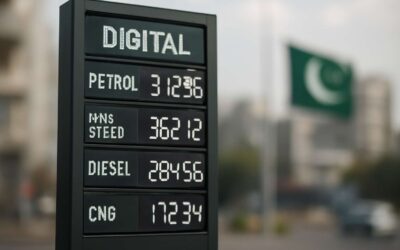
- Digital displays and loyalty options help shoppers track value in real time.
Factors Influencing Fuel Prices in Qatar
Global crude oil price fluctuations
January’s first light reveals a stubborn truth: fuel price qatar january 2024 dances to the tempo of global crude price fluctuations. I read the markets like an astronomer studies stars, knowing that a swing in Brent or WTI sends ripples across Qatar’s shores of commerce. The riyal’s steady tether to the dollar softens the blow, yet import costs, shipping lanes, and domestic policy still cast long shadows over the pump.
From dawn to dusk, several forces shape the journey of the numbers:
- Global crude price fluctuations and OPEC+ supply decisions
- Currency dynamics tied to the USD that influence import costs
- Seasonal demand and refining margins that tighten or loosen the gap
In this theatre, observers in South Africa and distant shores watch the meteors of energy trade, translating distant signals into local narratives about cost and cadence. Behold the market’s quiet, inexorable tempo!
Domestic subsidy and taxation framework
In January 2024, the fuel price qatar january 2024 sits quietly at a policy-defined perch, more a reflection of governance than of the open market. A compact truth: prices bend to subsidy cushions and tax schemas as sure as stars bend light. “Policy is the weather; the price follows the wind,” a seasoned observer might murmur. Domestic dynamics, not just global drift, keep the pumps honest and the ledgers legible.
Key factors shaping the subsidy and taxation framework include:
- Subsidy design that cushions a portion of domestic fuel costs
- Import duties and VAT considerations that tilt the pump price
- Administrative pricing tweaks that translate policy into shelf prices
- Refining margins and import contracts that cushion or tighten the delta
For South African readers, the contrast is instructive—and the narrative remains relatable to households watching every rand. The domestic framework in Qatar shows how policy can soften international swings, shaping the daily arithmetic of energy costs for the period discussed.
Currency exchange rates and import costs
Currency swings and import costs shape more than the pump. The fuel price qatar january 2024 reveals a policy-driven balance that households feel at the counter—and South African readers can relate to how global numbers echo in local wallets.
Two forces stand out when watching the ledger closely:
- Currency exchange rate movements tilt import bills in riyal terms—and in rand terms for SA households
- Import costs, freight and financing shape what Qatar pays to bring fuel from refinery to shelves
- Administrative pricing and duties add a predictable rhythm to shelf prices
For South African readers, that same ledger rings true: a stronger currency or smoother freight helps trim the journey from barrel to you, while shocks travel quickly to the pump and the receipt!
Refining capacity and supply chain dynamics
Fuel’s price in Qatar January 2024 reflects more than crude parity; it rides on the tempo of refining and the stubborn choreography of the supply chain. When a refinery runs at peak capacity and pipelines hum without disruption, margins tighten and prices lean toward a stable line. When downtime bites or ships stall, the ripple travels to the pump—this is the fuel price qatar january 2024 snapshot, felt long before the receipt is signed.
- Refining capacity and uptime
- Storage and throughput across hubs
- Shipping schedules and freight costs
Behind the arithmetic lie the operational cadences that shape every litre on the shelf—maintenance calendars, throughput bottlenecks, and the delicate balance between refinery output and regional demand.
Seasonal demand patterns
Winter markets pulse with a stubborn truth: fuel price qatar january 2024 rides not on crude parity alone but on a seasonal heartbeat that shifts with demand. In Qatar, a quiet lull in cooling demand and a steadier flow of imports keep margins delicate yet persistent.
Seasonal demand patterns in Qatar tilt prices as holiday travel, business conferences, and festival logistics surge or ease. These shifts stitch together with plant operation calendars and port throughput to tint daily receipts at the pump.
- Holiday travel surges and event calendars
- Shoulder-season business travel and freight logistics
- Climate-driven energy use and fleet activity
From a South African vantage point, the elegance and fragility of these patterns resonate with domestic markets, where supply chains are choreographed with equal tenderness and grit. The season writes its price on the sheet, and patience becomes a shopper’s ally!
Regional Comparison and Consumer Impact
GCC price comparisons amid 2024 trends
Regional price signals ripple through the GCC and reach readers far beyond the region. The fuel price qatar january 2024 sits as a hinge point, showing how market decisions and cross-border logistics converge to shape daily choices. For many families, a small shift becomes a big ripple in the weekly budget—as predictable as sunrise over a desert plain. What a difference a few fils can make!
- United Arab Emirates — prices stay relatively steady as markets adjust quietly.
- Saudi Arabia — occasional recalibrations keep consumers attentive to the pump.
- Kuwait and Bahrain — small bumps mirror global tides without dramatic moves.
For South Africa readers, these regional patterns offer a lens on how global shifts whisper into local wallets, shaping transport and daily decisions as markets continue to evolve.
Effect on households and small businesses
Across the Gulf, a tiny price shift can ripple through a thousand wallets. The fuel price qatar january 2024 sits at a hinge point where market moves and cross-border logistics shape daily choices. For South African readers, that signal nudges transport budgets!
- Commuting costs rise or fall, turning small trips into noticeable monthly expenses in rand terms.
- Delivery fees and freight costs shift for local shops, affecting online orders and shelf prices.
- Travel plans and discretionary spending adjust as regional signals echo into budgeting decisions.
From a South African view, GCC signals illuminate how global shifts whisper into local wallets, shaping routines from errands to small business routes. The regional picture stays nuanced, urging resilience and mindful budgeting.
Public transport vs private vehicle costs
A blistering shift in Gulf prices can feel distant, yet it lands squarely on South African budgets. fuel price qatar january 2024 sits at a hinge point where global moves brush our daily choices, nudging how we travel, shop, and plan monthly transport spend.
- Public transport costs: fares and passes adjust with subsidies, translating into higher or lower monthly outlays in rand.
- Private vehicle costs: fuel burn, maintenance, and insurance respond to regional signals, altering the true cost of a commute.
- Ridesharing and freight: fluctuating fuel inputs reshape trip totals for households and small businesses alike.
Regional comparison shows the ripple across borders, and South African readers feel how GCC dynamics quietly steer everyday routines—from errands to fixed routes.
Promotions, loyalty programs, and bulk purchases
Regional price signals pack a punch, even in a spreadsheet-averse world. fuel price qatar january 2024 is the hinge on which Gulf dynamics swing, nudging how South Africans budget for fuel and groceries alike—without a magic wand.
- Loyalty programs offer fuel discounts, app credits, and partner perks that trim bottom lines without a spreadsheet invasion.
- Bulk purchases and fleet promotions let small businesses lock in steadier costs across refueling cycles.
- Cross-network promotions across station chains deliver bundled savings on car services and maintenance, turning a filler-up into a smarter move.
Regional comparisons shape consumer expectations, nudging shoppers toward value-driven choices rather than impulse buys at the pump.
Impact on ride-hailing and logistics sectors
The pump’s glow is a candle in a wind-dark room, and regional price signals pull the shadows across South Africa’s streets. A telling stat whispers that such signals tilt ride-hailing budgets faster than a scheduler can blink. In January 2024, fuel price qatar january 2024 has echoed through wallets, shaping how we plan errands and what we pay for a mile of movement.
- Riders shift to value-driven timing as price signals move regionally, nudging app fares toward off-peak windows.
- Logistics fleets recalibrate routes and maintenance cycles to hedge against volatile per-kilometre costs.
- Cross-network promotions and carrier choices become strategic levers for South African shippers facing shifting corridor costs.
I watch the app nudge me toward off-peak options, and it feels like a quiet whisper from the grid—currency and curveball in one breath. The regional tide lands first on dashboards, then in the wallet, rewriting routines with a gentlemanly dread.
Practical Guidance and Future Trends
How to track fuel price changes reliably
fuel price qatar january 2024 captured more than a number on the pump; it carried a tremor of commentary and quiet market adjustments alike. In South Africa’s sweeping gaze toward the Gulf, such data invites a disciplined, almost artisan approach to tracking—where price shifts feel like a chorus, not a lone note.
Practical Guidance: Reliable tracking emerges from triangulating signals rather than chasing headlines.
- Official price announcements and fuel schedules from Qatar’s energy authorities
- Regional market commentary and Brent/WTI proxies
- Currency and import-cost movements that shape day-to-day pricing
Future Trends: Expect real-time data feeds, cross-market dashboards, and AI-assisted pattern detection. As reporting sharpens, readers learn to read the margins between spikes and steady states, filtering noise from signal in ways that resonate with both corporate fleets and households.
Tips to optimize fuel consumption in Qatar
Shaping practical fuel strategies in drives in Doha and Qatar’s highways begins with planning—small changes, big savings. I map trips to minimize detours, keep tires inflated, and stay on a speed to shave wasted fuel. For fleets, telematics reveal idle time and patterns of acceleration—turning data into savings. Efficient routing and regular maintenance bring the ideas behind fuel price qatar january 2024 to life, helping households and small businesses breathe easier for readers with interests, too.
- Plan trips to minimize detours
- Keep tires inflated and engines tuned
- Consolidate errands to reduce idle time
Future Trends: Real-time data feeds, cross-market dashboards, and AI-assisted pattern detection will shift how communities respond to fuel price signals. Imagine patience in the city: drivers filtering noise, choosing routes by efficiency scores, and fleets optimizing load plans with fewer idling hours. It’s a quiet revolution that makes travel feel intentional, even when prices tilt.
Forecasts for 2024 price direction and scenarios
Smart travel thinking meets energy signals. Even modest shifts in fuel markets can tilt a weekend trip and a weekday commute. South African readers tracking global flows will notice the fuel price qatar january 2024 narrative offering a clear lens on how price signals ripple across borders. Practical guidance here looks to patterns that endure beyond a single headline.
- Real-time price feeds and cross-market dashboards
- AI-assisted pattern detection for demand, traffic, and load planning
- Collaborative platforms aligning fleets with energy signals
Future Trends Forecasts for 2024 price direction and scenarios point to more transparent pricing, smarter routing, and resilience in procurement. Expect volatility to hinge on supply shocks, regional policy, and currency shifts, with communities leaning on data-driven planning rather than reaction. The mood is one of quiet, deliberate adaptation.
Policy developments worth watching in 2024 and beyond
One week of volatility can tilt a weekend trip by up to 6% in cost. The fuel price qatar january 2024 is shaping how individuals and businesses pace their journeys and plan fleets with greater discipline.
Practical guidance here leans on transparent signals and resilient supply. Consider these policy developments worth watching in 2024 and beyond:
- Real-time price dashboards and cross-market visibility
- Targeted subsidy reforms and simple consumer protections
- Cross-border price benchmarks and GCC alignment to smooth cycles
Future trends point to more transparent pricing, smarter routing, and procurement resilience. For South African readers tracking global flows, these signals reinforce prudent planning at a distance. Currency shifts, regional policy moves, and sharp supply signals will test strategies, nudging buyers toward data-driven planning rather than knee-jerk reactions.



0 Comments